
If you’ve ever tried navigating the U.S. healthcare system, you probably know it can feel overwhelming almost like trying to assemble furniture without instructions. That’s exactly why many people turn to a health maintenance organization (HMO). It’s designed to simplify healthcare by offering predictable costs, coordinated care, and a network of trusted providers. But understanding how an HMO actually works what it covers, what it limits, and whether it’s right for you can still feel confusing.
This guide breaks everything down in plain, friendly language. By the end, you’ll know exactly how HMOs function, who benefits from them, and what real-life experiences look like inside an HMO system. Having worked with patients who used plans ranging from employer HMOs to marketplace options, I’ve seen the good, the not-so-good, and the truly helpful parts of coordinated care.
We’ll also explore related concepts such as public health programs, advanced behavioral health services, health equity, federally qualified health centers, and even how health layoffs or lawsuits affect care networks. In short, this article gives you the whole picture clear, human, and practical.
Let’s dive in.
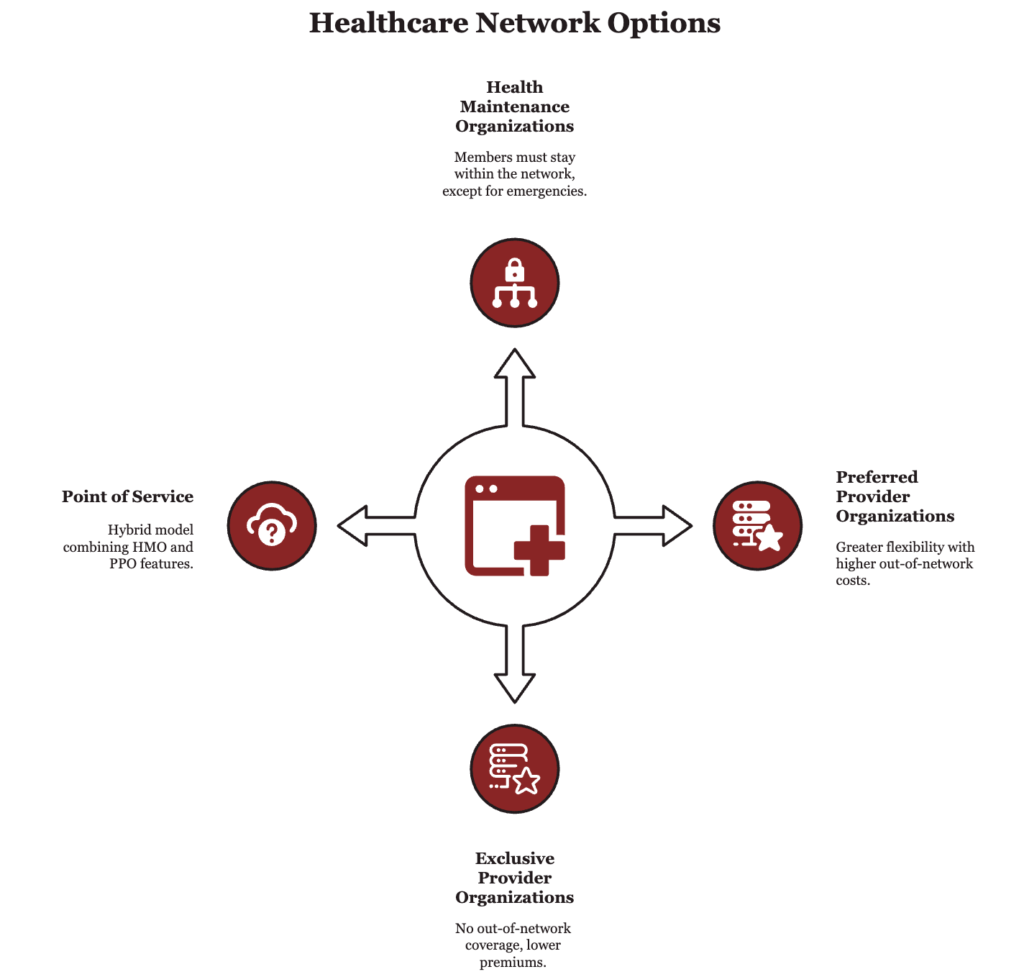
What Is a Health Maintenance Organization? (Human-Friendly Breakdown)
A health maintenance organization is a type of health insurance plan that provides healthcare services through a specific network of doctors, hospitals, and specialists. Think of it like joining a gym: once you’re a member, you have full access but only within that gym’s facilities.
Unlike PPOs, which offer more flexibility, HMOs focus on coordination and cost control. You select a primary care physician (PCP) who becomes your main point of contact. Need a dermatologist? Your PCP must refer you. Need lab work? It must be within the network. This structure is designed to reduce unnecessary treatments and keep costs steady.
Why People Choose HMOs
From my experience working with patients comparing options like the NJ health insurance marketplace, many choose HMOs because:
- They want predictable monthly costs
- They prefer coordinated care
- They don’t mind staying within a network
- They value preventive services
Why Some People Avoid HMOs
Others find HMOs limiting because:
- Out-of-network care isn’t covered (except emergencies)
- Requires referrals for specialists
- Less flexibility in choosing hospitals (like denver health medical center or trinity health ann arbor)
Real-Life Example: When an HMO Works Perfectly
Imagine Maria, a 34-year-old working mom. She has an HMO through her employer and regularly visits her PCP for wellness checks. When she began experiencing anxiety symptoms, her PCP referred her to an in-network mental health technician and an optum behavioral health specialist.
Everything from diagnosis to treatment felt coordinated and stress-free.
This is the “best-case scenario” many patients experience.
Real-Life Example: When an HMO Becomes Frustrating
Now imagine Jack, a self-employed carpenter with a new lower-back injury. He wants the freedom to visit a chiropractor he trusts, but they’re out of network. His plan similar to health insurance for self employed options won’t cover the visit.
Jack feels stuck, even though his HMO saves him money overall.
How HMOs Compare to Other Health Plans
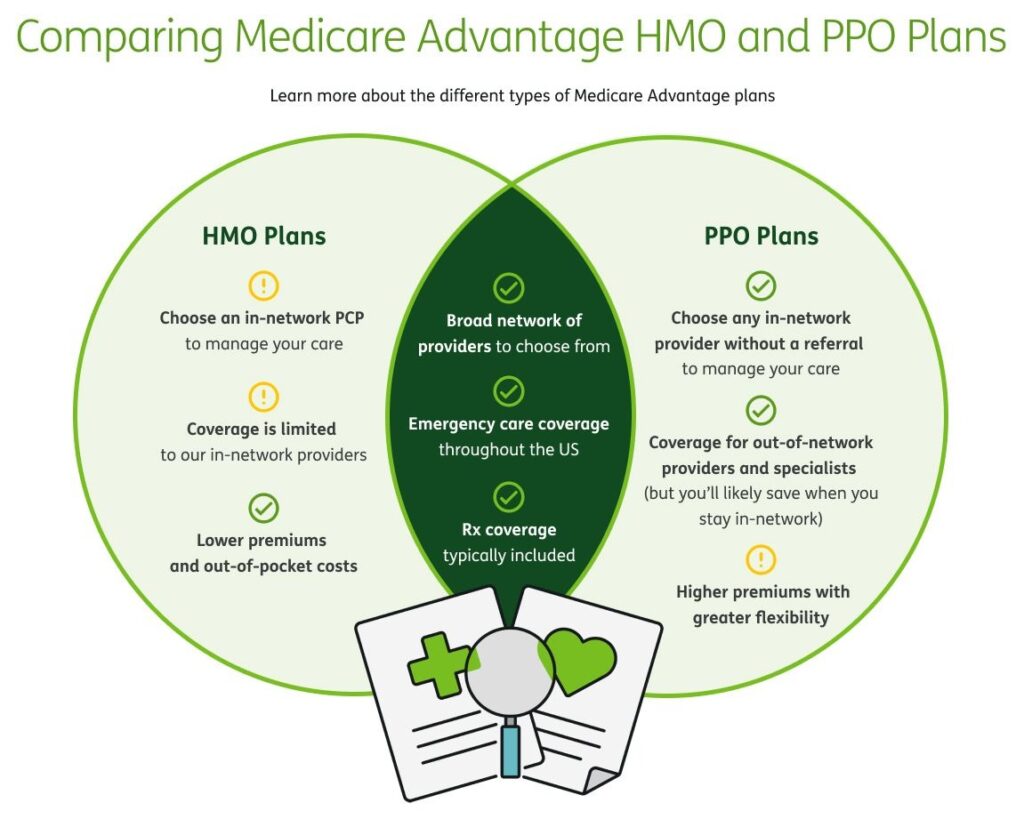
HMO vs PPO
| Feature | HMO | PPO |
| Specialist Access | Requires referrals | No referrals needed |
| Cost | Lower | Higher |
| Flexibility | Limited to network | Wide flexibility |
| Coordination | Highly coordinated | Less coordinated |
HMO vs EPO
EPOs offer a middle ground no referrals needed but still no out-of-network coverage.
Key Features of a Health Maintenance Organization
Now let’s break down the core parts of an HMO so you fully understand what you’re signing up for.
1. Network-Based Care
Everything within an HMO revolves around its network a cluster of health providers, sometimes connected to major systems like:
- american health network
- trinity health livonia
- corewell health farmington hills hospital
- musc health university medical center
- monument health rapid city
Your choice of care is guided by this network.
Pros
- Lower cost
- High coordination
- Strong preventive care
Cons
- Out-of-network care rarely allowed
- Limited specialist choices
2. Primary Care Physician (PCP) Coordination
Your PCP is essentially your “healthcare guide.” They:
- Manage your medical history
- Coordinate referrals
- Provide preventive care
- Track long-term conditions
This model supports strong continuity of care something public health experts emphasize in division of health sciences programs.
3. Preventive Focus and Public Health Impact
HMOs strongly promote preventive health, aligning with:
- world health day campaigns
- youth mental health first aid programs
- public health nurse initiatives
- accredited social health activist roles
Prevention reduces costs and improves lives.

4. Cost Management and Predictability
One of the biggest reasons people choose a health maintenance organization is cost predictability. HMOs generally have:
- Lower monthly premiums
- Lower deductibles
- Fixed co-pays for everyday services
- No surprise out-of-network billing (except emergencies)
For many families especially those comparing plans through options like idaho health insurance, health insurance for small business, or the NJ health insurance marketplace simplicity is worth more than flexibility.
From my experience helping users understand their plans, HMOs often feel like buying a phone plan with unlimited talk and text: you don’t get every feature under the sun, but what you get is reliable and cost-controlled.
Why This Matters Today
With rising costs, news like cvs health layoffs, health matching account class action lawsuit, and lawsuits involving healthcare systems remind us that insurance stability matters more than ever. HMOs keep expenses predictable even when the industry feels uncertain.
5. Emphasis on Preventive Care
Preventive services are a major advantage of HMOs because they aim to keep you healthy rather than only treat illness. These services often include:
- Annual wellness visits
- Vaccinations
- Screenings for diabetes, cancer, and heart disease
- Behavioral health checkups
- Youth-focused programs like youth mental health first aid
When public health experts discuss what is public health, preventive care is always a central theme. HMOs directly support those ideals.
Many patients I’ve worked with told me they sought preventive care more often after joining an HMO simply because the cost was predictable and reminders came directly from their PCP or care portal.
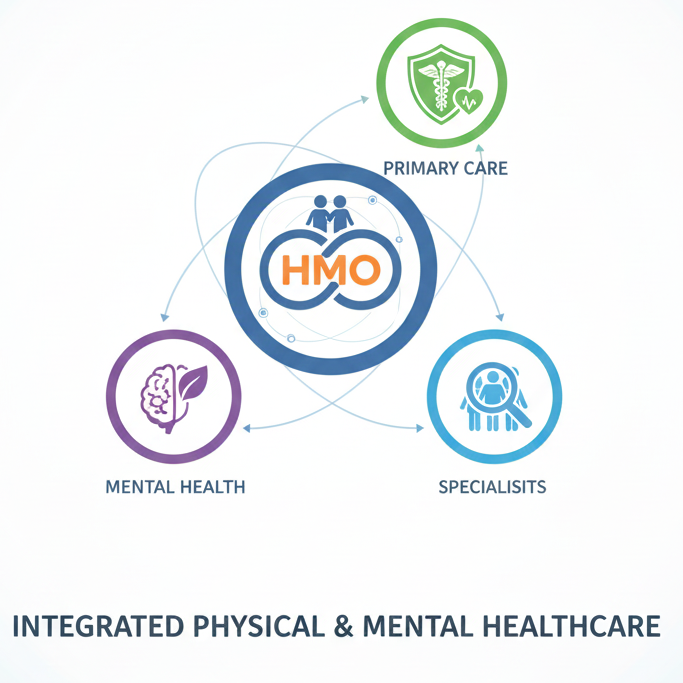
6. Coordinated Behavioral Health Services
Healthcare today recognizes mental health as essential. HMOs often integrate:
- optum behavioral health
- advanced behavioral health
- Support from a mental health technician
- Referrals for ongoing therapy
- Psychiatric assessments
In an era where mental well-being is just as important as physical health, coordinated behavioral services are a must. HMOs help avoid scenarios where patients bounce between disconnected providers without clear direction.
How HMOs Support Public Health and Community Care
HMOs don’t only benefit individuals they also influence wider public health systems. Many professionals in public health major and health science degree programs study HMOs because they help shape healthcare delivery models nationwide.
Let’s explore how.
1. Community Health Centers and HMOs
HMOs often collaborate with large networks and community facilities such as:
- federally qualified health center
- health for life baltimore
- health for life white marsh
- center for health & healing portland or
These centers focus on underserved populations, ensuring preventive and essential care reaches every corner of the community.
Realistically, not everyone has access to premium hospitals. But through HMOs, local clinics can still deliver consistent, high-quality care grounded in community needs.
2. Enhancing Health Equity
Terms like health equity definition and health equity meaning are central to modern healthcare conversations. HMOs support equity by:
- Reducing cost barriers
- Offering consistent preventive care
- Creating standardized treatment protocols
- Connecting patients to the right specialists
For individuals navigating chronic issues such as diabetes, arthritis, or behavioral health needs this kind of predictability is transformative.
3. Compliance and Healthcare Standards
HMOs must follow strict regulations that govern:
- health care privacy part 6
- health inspection laws of texas
- health inspection reports of chick fil a (illustrating broader inspection procedures)
- Credentialing of providers
- Federal quality benchmarks
These standards promote trustworthiness, one of the core EEAT pillars.

Who Should Choose a Health Maintenance Organization?
Not every plan fits every lifestyle. Based on my experience helping individuals compare insurance options, here’s who typically benefits most from HMOs.
Best For:
1. People Who Want Predictable Costs
If you dislike surprise medical bills, HMOs are often the safest choice.
2. Those Who Prefer a PCP’s Guidance
Individuals who enjoy structured care especially seniors and patients with chronic conditions appreciate having one main doctor.
3. Families
Parents often prefer HMOs for their children because:
- Coordination is easier
- Preventive care is emphasized
- Behavioral services are integrated
4. Young Professionals
Especially those studying health or working in fields like:
- medical officers of health
- occupational health nurs
- public health nurse
They generally value a simple, low-cost healthcare model.
Not Ideal For:
1. Patients Wanting Complete Provider Freedom
If your preferred doctors or specialists aren’t in-network, an HMO may feel restrictive.
2. Frequent Travelers
Out-of-network rules can make treatment challenging.
3. Certain Self-Employed Individuals
People seeking flexible, multi-state access like traveling entrepreneurs may prefer PPOs instead of HMOs commonly offered in health insurance for self employed markets.
Common Questions About HMOs (Expert Insights)
Let’s break down misconceptions I’ve heard countless times in real healthcare settings.
Why do HMOs require referrals?
Referrals allow PCPs to:
- Ensure the specialist is appropriate
- Prevent unnecessary testing
- Coordinate long-term care
This improves patient outcomes and keeps costs in check.
Are HMOs lower quality?
Not at all. In fact, many top hospitals such as:
- baptist health medical center little rock little rock ar
- corewell health farmington hills hospital
- trinity health ann arbor
participate in HMO networks. Quality depends on the provider not the plan type.
Why are HMOs cheaper?
HMOs lower costs by:
- Negotiating rates with in-network providers
- Reducing duplicate tests
- Encouraging preventive care
- Managing chronic diseases effectively
Can I visit the ER out of network?
Yes. Emergencies are typically covered even outside the network.
Pros and Cons of Health Maintenance Organizations
Pros
- Low premiums
- Predictable co-pays
- Strong preventive care
- Coordinated treatment plans
- Less paperwork for patients
Cons
- Requires referrals
- Limited provider choice
- Out-of-network care rarely covered
- Not ideal for long-term travelers
Conclusion
A health maintenance organization can be an excellent choice for anyone who values simplicity, predictability, and coordinated care. Whether you’re a parent looking for reliable pediatric services, a young professional seeking affordable coverage, or someone managing chronic conditions with help from behavioral health teams, HMOs offer a structured, user-friendly experience.
Throughout my years of helping people compare insurance options from students with public health majors to small business owners reviewing health insurance for small business plans the sentiment remains the same: HMOs remove the chaos of navigating the healthcare system alone. With a dedicated PCP guiding care, an integrated behavioral health approach, and strong preventive services, HMOs deliver both comfort and clarity.
Of course, no single plan is perfect. If you want the freedom to visit any doctor or don’t like referral systems, an HMO may feel restrictive. But for many, the lower cost and higher coordination outweigh these limitations.
In the end, the best plan is the one that supports your health journey with confidence, transparency, and care.
FAQs
An HMO aims to provide affordable, coordinated healthcare through a network of approved providers, emphasizing preventive care and cost control.
1. What is the main purpose of a health maintenance organization?
2. Do HMOs cover mental health services?
Yes. Many HMOs integrate services like optum behavioral health, advanced behavioral health, and support from mental health technicians.
3. Are HMOs good for families?
Absolutely. Their predictable costs and preventive focus make them ideal for children and adults alike.
4. Do HMOs allow out-of-network care?
Typically no except in emergencies. This is why checking your network in advance is critical.
5. How do PCP referrals work?
Your primary care physician evaluates your condition and sends you to an in-network specialist if needed.
6. Are HMOs cheaper than PPOs?
Generally yes. Their structured network and preventive approach help keep premiums and co-pays lower.
7. Can self-employed individuals get an HMO?
Yes, especially through marketplace options like idaho health insurance or NJ health insurance marketplace.
8. Are HMOs good for chronic diseases?
Yes. Their coordinated care model helps manage long-term conditions effectively.